

Introduction
In digital marketing, data is everything. Without proper tracking, it becomes nearly impossible to understand where your traffic comes from or how users interact with your campaigns. This is why learning how to create tracking tags is a crucial skill for both beginners and intermediate marketers. Tracking tags help you collect accurate data, measure performance, and optimize your strategies based on real insights.
When you understand how to create tracking tags, you gain control over your marketing data. Instead of guessing which campaigns are working, you can clearly see what drives clicks, engagement, and conversions. Whether you are running email campaigns, social media ads, or paid search promotions, tracking tags allow you to monitor every interaction effectively.
The process may seem technical at first, but it becomes simple once you understand the fundamentals. With the right approach, you can create tracking tags that are consistent, accurate, and easy to manage. This guide will walk you through everything step by step, helping you build a strong foundation in tracking and analytics.
By the end of this article, you will confidently know how to create tracking tags and use them to improve your marketing performance.
What is How to Create Tracking Tags?
Understanding how to create tracking tags starts with knowing what tracking tags actually are. Tracking tags are small pieces of information added to URLs or website code to collect data about user behavior. These tags help analytics tools identify where traffic is coming from and how users interact with your content.
When you learn how to create tracking tags, you are essentially learning how to label your marketing efforts. For example, if you share a link on social media, a tracking tag can tell you which platform the user came from, what campaign they clicked, and what action they took.
Tracking tags often include parameters such as source, medium, and campaign. These parameters provide detailed insights into your marketing performance. Without them, your data would be incomplete and difficult to analyze.
In simple terms, knowing how to create tracking tags allows you to turn raw traffic into meaningful data. This helps you make informed decisions and improve your overall strategy.
Why is How to Create Tracking Tags Important?
Learning how to create tracking tags is important because it directly impacts your ability to measure success. Without proper tracking, you are relying on assumptions instead of data.
One of the main reasons it is important is accuracy. Tracking tags ensure that your data is precise and reliable. This helps you identify which campaigns are performing well and which need improvement.
Another key reason is better decision-making. When you know how to create tracking tags, you can analyze user behavior and adjust your strategy accordingly. This leads to more effective campaigns and better results.
It also improves efficiency. Instead of manually analyzing traffic sources, tracking tags automatically organize your data. This saves time and reduces errors.
Additionally, tracking tags help with campaign comparison. You can easily compare different channels, platforms, and strategies to determine what works best.
Overall, understanding how to create tracking tags is essential for any marketer who wants to succeed in a competitive digital environment.
Detailed Step-by-Step Guide
Step 1: Understand the Purpose of Tracking Tags
Before you start, it is important to understand why you need tracking tags. They are used to monitor traffic sources, user behavior, and campaign performance.
Having a clear purpose ensures that your tags are meaningful and useful.
Step 2: Define Your Campaign Goals
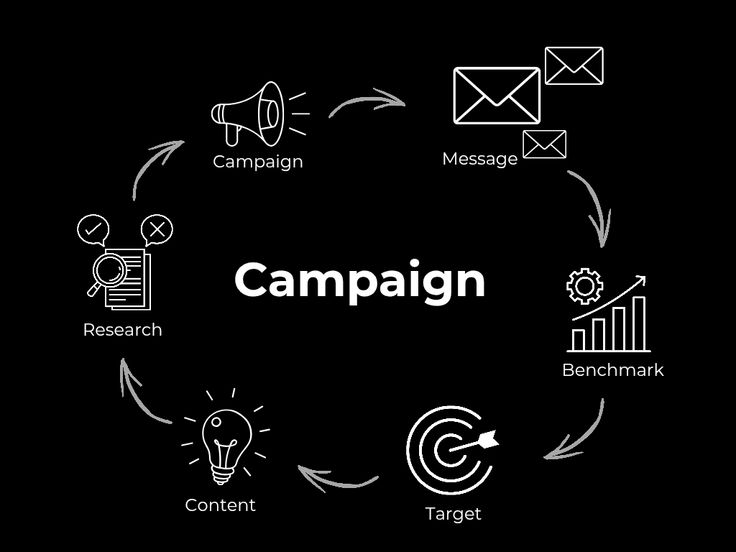
Next, define what you want to achieve. Your goals will determine how you create your tracking tags.
Examples include:
- Increasing website traffic
- Generating leads
- Boosting sales
Clear goals make your tracking more effective.
Step 3: Identify Key Parameters
When learning how to create tracking tags, you need to understand the main parameters:
- Source: Where the traffic comes from
- Medium: The type of traffic
- Campaign: The name of the campaign
Optional parameters include term and content.
Step 4: Use a Consistent Naming Convention
Consistency is critical. Use lowercase letters, avoid spaces, and keep names simple.
For example:
- source=facebook
- medium=social
- campaign=spring_sale
This keeps your data clean and organized.
Step 5: Build Your Tracking URL
Now combine your base URL with your parameters. This creates a complete tracking link.
For example:
yourwebsite.com?source=facebook&medium=social&campaign=sale
This is the core of how to create tracking tags.
Step 6: Use a Tag Builder Tool
Instead of creating tags manually, use a tag builder tool. This reduces errors and ensures proper formatting.
Simply enter your details and generate the URL.
Step 7: Test Your Tracking Tags
Always test your links before using them. Make sure they redirect correctly and capture data properly.
Testing prevents errors and ensures accuracy.
Step 8: Monitor Performance
After publishing your links, monitor the data regularly. Analyze traffic sources, user behavior, and conversions.
Use this information to improve your campaigns.
Benefits of How to Create Tracking Tags
- Provides accurate data for marketing analysis
- Helps identify high-performing campaigns
- Improves decision-making with real insights
- Simplifies tracking across multiple channels
- Enhances campaign optimization
- Saves time by automating data collection
- Supports better budget allocation
- Enables detailed performance reporting
Disadvantages / Risks
- Incorrect setup can lead to inaccurate data
- Requires time and effort to maintain
- Inconsistent naming can create confusion
- Overuse can make data complex
- Long URLs may look unappealing
- Errors can impact campaign tracking
Common Mistakes to Avoid
One common mistake is inconsistent naming. Using different formats for the same source can split your data.
Another mistake is overcomplicating tags. Keep them simple and relevant.
Many beginners forget to test their tags before using them. This can lead to broken links or missing data.
Using tracking tags on internal links is also a problem. It can overwrite your original traffic source.
Lack of documentation is another issue. Always keep a record of your tags.
Finally, avoid using unnecessary parameters that do not add value.
FAQs
What are tracking tags used for?
Tracking tags are used to monitor where your traffic comes from and how users interact with your campaigns.
Do I need technical skills to create tracking tags?
No, basic understanding is enough. With practice, anyone can learn how to create tracking tags.
How many parameters should I use?
Use only the necessary parameters. Typically, source, medium, and campaign are sufficient.
Can tracking tags affect SEO?
They do not directly affect SEO, but improper use can create duplicate URLs.
How do I keep my tags organized?
Use a consistent naming system and maintain a tracking document.
Are tracking tags useful for small businesses?
Yes, they help businesses of all sizes understand their marketing performance.
Expert Tips & Bonus Points
Start simple and expand gradually. Avoid adding too many tags at once.
Use clear naming conventions to keep your data organized.
Regularly review your tags to ensure accuracy.
Focus on meaningful data rather than collecting everything.
Collaborate with your team to maintain consistency.
Always test before launching any campaign.
Conclusion
Learning how to create tracking tags is one of the most valuable skills in digital marketing. It allows you to track your campaigns accurately, understand user behavior, and make informed decisions. Without proper tracking, even the best marketing strategies can fail due to lack of data.
Throughout this guide, we explored the fundamentals of tracking tags, their importance, and how to create them step by step. We also discussed common mistakes, benefits, and expert tips to help you improve your tracking strategy. The key takeaway is that tracking tags are not just technical tools but essential components of a successful marketing plan.
When used correctly, tracking tags provide clarity and direction. They help you identify what works and what does not, allowing you to optimize your campaigns for better results. This leads to improved efficiency, higher conversions, and better return on investment.
As you continue your marketing journey, focus on consistency and simplicity. Start with basic tags, test your setup, and refine your approach over time. With practice, you will master how to create tracking tags and use them to drive meaningful results for your business.
