


Introduction
Marketing Tags Explained: Improve Tracking & SEO Performance is a crucial topic for anyone looking to understand how modern digital marketing works. In today’s data-driven world, businesses rely heavily on marketing tags for website tracking to monitor user behavior, measure performance, and optimize campaigns. These small pieces of code help track actions like clicks, page visits, and conversions, making it easier to understand how users interact with a website.
The importance of data-driven decisions cannot be ignored, especially when competition is growing rapidly online. Using website analytics and tracking tags, marketers can gather accurate insights and improve strategies effectively. These insights also support SEO performance tracking tools, helping businesses refine content and boost rankings. By understanding how marketing tags improve SEO and applying the right digital marketing tracking methods, companies can make smarter decisions and achieve better results.
Marketing Tags Explained (What They Are & Why They Matter)
Marketing tags explained simply means small snippets of code that are added to a website to track user activity and send data to different marketing and analytics platforms. These tags collect information such as page views, clicks, form submissions, and conversions, helping businesses understand how visitors interact with their site. In short, they act as a bridge between your website and data collection systems.
In digital marketing, marketing tags play a key role in improving campaign performance and decision-making. They allow marketers to measure results, optimize ads, and understand customer behavior more clearly. By connecting websites with tools like analytics platforms and ad networks, marketing tags ensure that all user data is tracked accurately. This connection makes it possible to analyze performance, improve strategies, and achieve better SEO and marketing outcomes.
How Marketing Tags Improve SEO
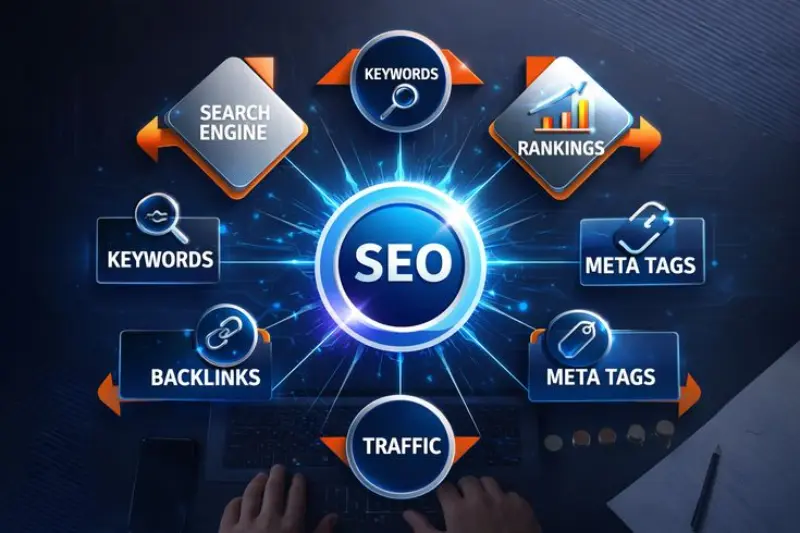
Understanding how marketing tags improve SEO is essential for anyone looking to boost website performance and search rankings. Marketing tags help track important user behavior metrics such as bounce rate, time on site, and page interactions. This data gives clear insights into how visitors engage with your content, allowing you to identify weak areas and improve user experience—an important factor for SEO.
In addition, marketing tags help refine your content strategy by showing which pages perform well and which need improvement. With accurate data, you can create more relevant and engaging content that matches user intent. They also play a key role in optimizing conversion paths by tracking user journeys and identifying drop-off points. This allows you to improve navigation, calls-to-action, and overall site structure, ultimately leading to better rankings and higher conversions.
Marketing Tags for Website Tracking
Marketing tags for website tracking are essential tools that help businesses collect valuable data about how users interact with their websites. These tags track important metrics such as clicks, sessions, page views, conversions, and user journeys. By capturing this data, marketers can clearly understand which pages attract visitors, what actions users take, and how effectively the website is performing.
Accurate tracking is crucial because it directly impacts decision-making and campaign success. If data is incorrect or incomplete, it can lead to poor strategies and wasted marketing budgets. In real-world use cases, marketing tags are used to monitor ad performance, track form submissions, analyze eCommerce sales, and measure user engagement. This allows businesses to optimize their marketing efforts, improve user experience, and increase overall conversions.
Website Analytics and Tracking Tags
Website analytics and tracking tags play a vital role in connecting your website with powerful data analysis tools. These tags act as a bridge between your site and analytics platforms, allowing data to be collected and processed in real time. When a user visits a page or performs an action, the tags send that information to tools that help marketers understand behavior and performance.
The data collection process works by triggering tags whenever specific actions occur, such as page views, clicks, or conversions. This data is then stored and analyzed to generate useful insights. Platforms like Google Analytics use these tags to provide detailed reports on traffic, user engagement, and conversion rates. By using website analytics and tracking tags, businesses can make informed decisions, optimize strategies, and improve overall digital performance.
SEO Performance Tracking Tools
Using the right SEO performance tracking tools is essential for measuring website success and improving search rankings. These tools work closely with marketing tags to collect, analyze, and present data that helps marketers make informed decisions. They provide insights into traffic, user behavior, keyword performance, and overall site health.
One of the most popular tools is Google Analytics, which tracks website traffic, user engagement, and conversions. It helps you understand how visitors interact with your site. Google Tag Manager is another powerful tool that allows you to manage and deploy marketing tags without editing code, making tracking more efficient. Google Search Console focuses on SEO performance by showing keyword rankings, indexing status, and search visibility.
In addition, other tools like SEMrush, Ahrefs, and Moz can also be used for deeper SEO analysis and competitor research. Together, these SEO performance tracking tools help businesses optimize their strategies, improve rankings, and achieve better results.
You may also read this:
- Modern Tracking Setup Guide
- Data Insights Explained
- What Are Data Insights?
- Data Insights Overview (HPE)
Digital Marketing Tracking Methods
Understanding different digital marketing tracking methods is essential for accurately measuring campaign performance and user behavior. These methods help marketers collect data from various sources and optimize strategies based on real insights.
One of the most common approaches is tag-based tracking, where small code snippets are added to a website to monitor user actions like clicks, page views, and conversions. Another important method is URL tracking (UTM parameters), which allows marketers to track traffic sources by adding specific tags to URLs. This helps identify which campaigns, ads, or channels are driving the most visitors.
Lastly, pixel tracking (such as Facebook Pixel) is widely used for tracking user activity after they interact with ads. It helps in retargeting users and improving ad performance. By using these digital marketing tracking methods, businesses can gain deeper insights, improve campaign effectiveness, and make data-driven decisions.
Benefits of Using Marketing Tags
Marketing tags provide powerful advantages that help businesses grow and optimize their digital strategies. One of the biggest benefits is better decision making, as tags collect accurate data about user behavior, allowing marketers to rely on real insights instead of guesswork. This leads to smarter strategies and more effective planning.
Another key advantage is improved campaign performance, since marketing tags help track which campaigns are working and which need improvement. They also enable enhanced audience targeting by identifying user interests and behaviors, making it easier to deliver personalized content and ads. Additionally, marketing tags ensure accurate ROI tracking, helping businesses measure the exact return on their marketing efforts and allocate budgets more efficiently.
Common Mistakes to Avoid
When using marketing tags, small mistakes can lead to inaccurate data and poor marketing decisions. One of the most common issues is incorrect implementation, where tags are placed in the wrong location or configured improperly. This can result in missing or misleading data, making it difficult to track user behavior correctly.
Another frequent problem is duplicate tags, which can cause data to be counted multiple times and distort analytics reports. Equally important is not testing tags before deployment, as untested tags may fail to fire or collect incorrect information. Lastly, many marketers make the mistake of ignoring data insights. Collecting data is not enough—analyzing and acting on that data is essential for improving campaigns and achieving better results.
Best Practices for Better Tracking & SEO
To get the most out of your marketing data, it’s important to follow proven strategies that ensure accuracy and performance. One key practice is to use tag management tools like Google Tag Manager, which help organize and control all tracking tags from one platform without directly editing website code. This makes implementation cleaner and reduces errors.
Another important step is to perform regular audits, ensuring that all tags are working correctly and outdated or unnecessary tags are removed. This keeps your tracking system accurate and efficient. You should also focus on optimizing tag loading speed, because too many or poorly optimized tags can slow down your website and negatively impact SEO and user experience.
Finally, always keep your tracking strategy clear by defining what you are measuring and why. A well-planned approach ensures better data quality, improved insights, and stronger SEO performance.
Conclusion
Marketing tags are a powerful part of modern digital marketing because they help businesses understand user behavior, measure performance, and make data-driven decisions. By using the right setup, marketers can clearly track how visitors interact with a website and identify opportunities for improvement. This makes marketing tags essential for accurate analytics and better campaign optimization.
Overall, marketing tags strengthen both tracking and SEO performance by providing reliable insights that improve content, ads, and user experience. When implemented correctly, they support better targeting, higher conversions, and more effective marketing strategies. That’s why proper setup and management of marketing tags is crucial for long-term digital success.
FAQ – Marketing Tags Explained: Improve Tracking & SEO Performance
1. What are marketing tags?
Marketing tags are small pieces of code added to a website to track user actions like clicks, page views, and conversions for analytics and marketing purposes.
2. Why are marketing tags important?
They help businesses collect accurate data, improve marketing campaigns, track conversions, and understand user behavior on websites.
3. How do marketing tags improve SEO?
They provide insights into user behavior, bounce rate, and engagement, which help improve content strategy and overall SEO performance.
4. What are marketing tags for website tracking?
They are tracking codes used to monitor website activities like clicks, sessions, and conversions to measure performance effectively.
5. What are SEO performance tracking tools?
These are tools like Google Analytics, Google Search Console, and Google Tag Manager that help analyze and improve SEO results.
6. What are website analytics and tracking tags?
They are tags used to collect website data and send it to analytics tools for performance tracking and reporting.
7. What are digital marketing tracking methods?
They include tag-based tracking, UTM URL tracking, and pixel tracking to measure user behavior and campaign performance.
8. Do marketing tags affect website speed?
Yes, too many or poorly optimized tags can slow down a website, so proper management is important.
9. What is Google Tag Manager used for?
Google Tag Manager is used to manage and deploy marketing tags without editing website code directly.
10. What happens if marketing tags are not used correctly?
Incorrect setup can lead to inaccurate data, broken tracking, and poor marketing decisions.
You may also read this:
👉 The 12 Best Analytics Blogs (Crazy Egg Guide)
👉 Warmforge AI Blog – Email Deliverability & Cold Outreach Insights
👉 How to Tag Blog Posts for SEO – Complete Guide (UsePattern)
👉 Datos Insights Blog – Financial Services & Analytics Research
👉 Blog Analytics Guide: How to Use Data to Improve Your Strategy – HostAdvice
