

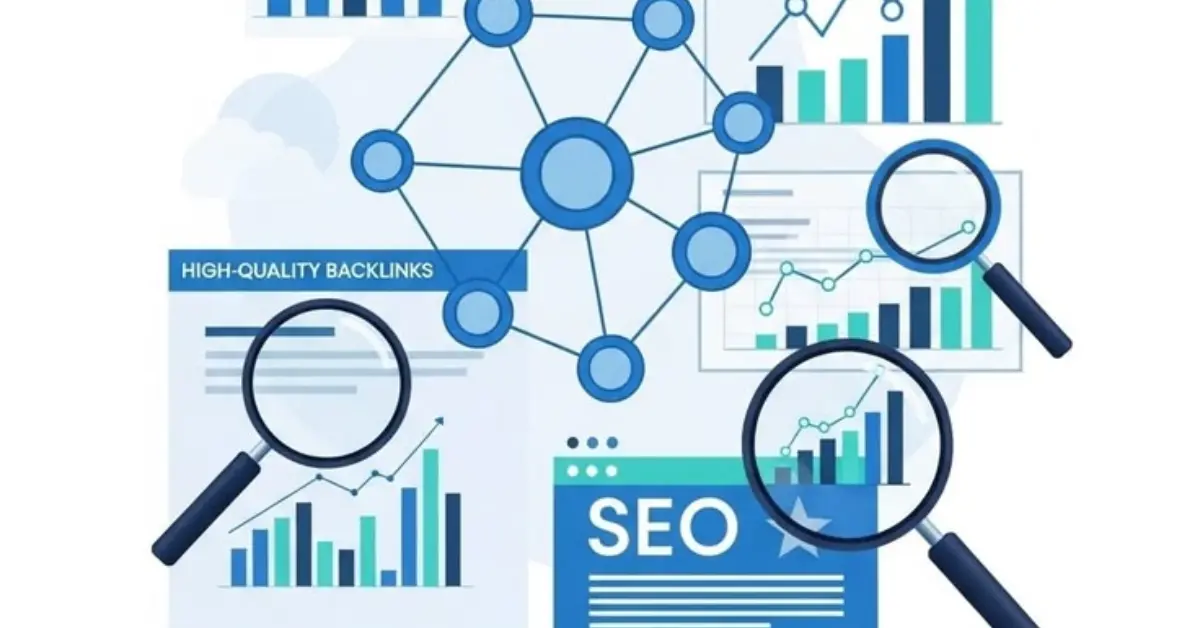
Introduction – How data insights boost your SEO strategy in 2026
How data insights boost your SEO strategy in 2026 is becoming one of the most important topics in digital marketing because search engines are now heavily focused on user behavior, relevance, and real-time performance. Businesses that rely on assumptions alone are quickly falling behind, while those using a data-driven SEO strategy are achieving stronger rankings and consistent organic traffic growth.
The shift from traditional SEO to analytics-based SEO has completely changed how optimization works. Earlier, SEO was mostly about keyword placement and backlinks, but now success depends on understanding user intent, engagement signals, and performance metrics. This evolution makes data the core foundation of modern SEO strategies.
Another major factor is the importance of real-time data. Websites must now respond quickly to changes in search trends, competitor actions, and user behavior. With live analytics, businesses can adjust content, keywords, and strategies instantly, improving visibility and performance.
At the same time, the rise of AI and automation in search ranking has transformed how search engines evaluate content. AI systems analyze vast amounts of data to determine which pages best match user needs, making data-driven SEO strategy more critical than ever.
Overall, understanding how data insights boost your SEO strategy in 2026 helps businesses stay competitive in an environment where data, AI, and automation define search success.
What Are Data Insights in SEO?
SEO data insights refer to meaningful information extracted from website and search performance data that helps improve rankings, visibility, and user engagement. These insights come from analyzing metrics such as keyword performance, traffic sources, user behavior, and conversion rates to understand what is working and what needs improvement.
In modern search optimization, these insights play a central role in shaping a data-driven SEO strategy. Instead of relying on assumptions, businesses use real data to decide which keywords to target, what content to create, and how to optimize pages for better performance. This leads to more accurate and effective SEO results.
The difference between guesswork SEO and data SEO is significant. Guesswork SEO depends on intuition and outdated practices, which often leads to poor rankings and wasted effort. In contrast, data SEO focuses on measurable performance indicators, making it easier to improve SEO with data through continuous analysis and optimization.
Overall, SEO data insights turn raw analytics into actionable strategies that drive consistent organic growth.
How Data Insights Improve SEO Performance
Data insights play a crucial role in helping businesses improve SEO with data by turning raw analytics into actionable strategies that directly impact search visibility and website performance. Instead of relying on assumptions, marketers can use real SEO performance metrics to make smarter optimization decisions.
One of the biggest advantages is better keyword targeting. By analyzing search volume, competition, and user intent, businesses can identify the most effective keywords and avoid wasting effort on low-performing terms. This leads to more accurate targeting and higher organic traffic.
Another key benefit is content optimization. Data insights reveal which pages perform well, which topics engage users, and where content gaps exist. This allows businesses to refine existing content and create new pages that match audience demand more effectively.
Improving user experience is also easier with data. Metrics like bounce rate, dwell time, and click-through rate help identify usability issues, enabling websites to become more engaging and user-friendly.
Finally, data insights contribute to ranking stability. By continuously monitoring SEO performance metrics, businesses can adapt quickly to algorithm updates and maintain consistent rankings over time.
Overall, using data-driven insights is essential to build a strong and sustainable SEO strategy.
You May Also Like This:
- Social Media Analytics Guide
- Data Analytics 101 – Beginner Guide
- LinkedIn Post Analytics Guide
- Content Analytics Overview
- Influencer Tracking Setup Guide
Key SEO Analytics Techniques in 2026
In 2026, successful SEO depends heavily on advanced SEO analytics techniques that help businesses understand performance, identify opportunities, and stay ahead of competitors. Instead of guessing what works, marketers now rely on data to refine strategies and improve rankings using clear SEO performance metrics.
Keyword Performance Tracking
This technique involves monitoring how specific keywords rank over time, including impressions, clicks, and conversions. It helps businesses identify which keywords are driving traffic and which need optimization or replacement.
Competitor Analysis
Competitor analysis allows businesses to study rival websites, their keyword strategies, content structure, and backlink profiles. This helps uncover opportunities to outperform competitors and improve overall SEO strategy.
Content Gap Analysis
Content gap analysis focuses on identifying topics and keywords that competitors are ranking for but your website is missing. Filling these gaps helps improve visibility and strengthens a data-driven SEO strategy.
Backlink Monitoring
Backlinks remain a key ranking factor, and monitoring them helps ensure link quality, detect toxic links, and discover new linking opportunities. Strong backlink profiles significantly improve SEO performance metrics.
Overall, these SEO analytics techniques are essential for building a data-driven, competitive, and high-performing SEO strategy in 2026.
Website Traffic Analysis – The Core of SEO Growth
Website traffic analysis is one of the most important parts of modern SEO because it helps businesses understand how users find and interact with their website. In 2026, it plays a central role in improving rankings and building a strong data-driven SEO strategy based on real user behavior instead of assumptions.
One key aspect is understanding traffic sources, such as organic, direct, and referral traffic. Organic traffic shows how well your SEO is performing, while direct traffic indicates brand awareness, and referral traffic highlights external website influence. Analyzing these sources helps businesses identify which channels bring the most value.
User behavior tracking is another critical component. It involves studying how visitors navigate your website, which pages they visit, and how long they stay. This information helps optimize content structure and improve user experience, which directly impacts rankings.
Bounce rate and engagement metrics are also essential SEO performance metrics. A high bounce rate may indicate irrelevant content or poor user experience, while strong engagement signals show that users find the content valuable.
Overall, website traffic analysis helps businesses make smarter decisions, improve SEO performance, and continuously refine strategies for better visibility and growth in search engines.
Building a Data-Driven SEO Strategy
A successful data-driven SEO strategy starts with shifting from assumptions to measurable actions based on real performance data. In 2026, businesses that consistently analyze and act on SEO data are the ones achieving long-term search visibility and sustainable traffic growth.
Setting Measurable SEO Goals
The first step is defining clear, measurable objectives such as increasing organic traffic, improving keyword rankings, or boosting conversion rates. These goals should be tied to specific SEO performance metrics so progress can be tracked accurately over time.
Using Analytics Tools
Tools like Google Analytics and Google Search Console play a key role in modern SEO. They provide insights into keyword performance, user behavior, and website visibility. These platforms help businesses identify what is working and what needs improvement, making it easier to improve SEO with data instead of guesswork.
Continuous Optimization Based on Data
SEO is not a one-time task—it requires ongoing adjustments. By regularly analyzing data, businesses can update content, refine keywords, and fix technical issues to maintain strong rankings. Continuous optimization ensures that strategies stay aligned with search engine updates and user expectations.
Overall, a strong data-driven SEO strategy depends on consistent measurement, smart analysis, and ongoing improvement to achieve lasting success in search rankings.
SEO Performance Metrics You Must Track
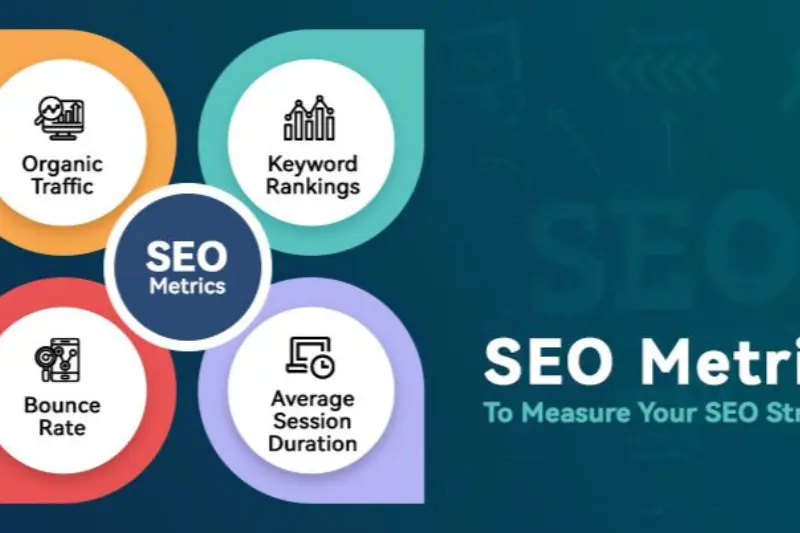
Tracking the right SEO performance metrics is essential for understanding how well your website is performing in search engines and where improvements are needed. In 2026, SEO success is no longer about guesswork—it depends on accurate data analysis and continuous optimization.
One of the most important metrics is organic traffic, which shows how many users are visiting your website from search engines. It directly reflects the strength of your SEO efforts and overall visibility.
Keyword rankings are another key indicator, helping you monitor how well your targeted keywords are performing over time. Higher rankings usually lead to more traffic and better brand exposure.
CTR (Click-through rate) measures how often users click on your website after seeing it in search results. A strong CTR indicates that your titles and meta descriptions are effective.
Conversion rate shows how many visitors complete desired actions, such as signing up or making a purchase, making it a critical business metric.
Finally, page speed impacts both user experience and rankings, as faster websites perform better in search results.
Together, these SEO performance metrics provide a clear picture of your website’s success and help guide smarter optimization strategies.
Role of AI in SEO Data Insights (2026 Trend)
The role of AI in SEO is becoming more dominant in 2026, especially when it comes to generating accurate and actionable data insights. Modern AI-powered SEO tools are transforming how businesses analyze search performance, optimize content, and improve rankings by processing large datasets in seconds and identifying patterns that humans may miss.
One major advancement is predictive search optimization. Instead of only analyzing past performance, AI now predicts future trends, keyword opportunities, and user behavior. This allows businesses to proactively adjust their data-driven SEO strategy before rankings are affected, giving them a strong competitive advantage.
Another key development is automated reporting and insights. AI systems can automatically generate SEO reports, track SEO performance metrics, and highlight areas that need improvement without manual effort. This reduces time spent on data analysis and helps marketers focus more on strategy and execution.
Overall, AI is making SEO more intelligent, efficient, and data-focused. By combining automation with deep analytics, businesses can improve SEO with data faster than ever before. In 2026, AI is not just a support tool—it is becoming the backbone of modern SEO success and long-term search visibility.
Common Mistakes in SEO Data Analysis
Even with advanced tools available, many businesses still struggle to build an effective data-driven SEO strategy because they make avoidable mistakes in analysis and interpretation. These errors often lead to poor rankings, wasted effort, and missed opportunities to improve SEO with data.
One major mistake is ignoring user intent. Many websites focus only on keywords without understanding what users actually want. This results in content that may rank but fails to engage or convert visitors.
Another common issue is over-focusing on keywords. While keywords are important, relying too heavily on them can lead to unnatural content and poor user experience, which negatively affects SEO performance metrics.
Not tracking conversions is also a critical mistake. SEO is not just about traffic—it’s about results. Without monitoring conversions, businesses cannot measure the real success of their efforts.
Finally, misinterpreting analytics data can lead to wrong decisions. For example, a high bounce rate may be seen as negative, but in some cases, it simply means users found the answer quickly.
Avoiding these mistakes is essential for building a strong data-driven SEO strategy and achieving long-term search success.
Future of SEO with Data Insights
The future of SEO is becoming fully driven by data and artificial intelligence, where data-driven SEO strategy will be the foundation of all optimization efforts. AI-driven search engines are now analyzing user behavior, intent, and context more deeply than ever, making traditional SEO methods less effective on their own. In 2026, businesses will rely heavily on SEO analytics techniques to make real-time improvements instead of waiting for long reporting cycles. Real-time SEO adjustments will allow websites to update content, keywords, and structure instantly based on performance data. At the same time, hyper-personalized search results will deliver unique experiences to each user based on their interests and behavior. This makes it essential for brands to continuously improve SEO with data and focus on accurate SEO performance metrics to stay competitive in evolving search landscapes.
Conclusion – Turning Data Into SEO Success
In 2026, SEO is no longer based on guesswork—it is fully powered by insights, analytics, and continuous optimization. Understanding how data insights boost your SEO strategy in 2026 helps businesses move beyond traditional methods and adopt a smarter, more effective data-driven SEO strategy.
Throughout this guide, we explored how SEO analytics techniques, website traffic analysis, and key SEO performance metrics work together to improve rankings, visibility, and user engagement. When businesses consistently use data, they can easily improve SEO with data by refining content, optimizing keywords, and enhancing user experience.
The integration of AI and automation has also made SEO more advanced, allowing faster decisions and more accurate predictions. As search engines continue to evolve, success will depend on how well businesses interpret and act on data.
Ultimately, the future belongs to those who embrace data. By combining strategy with insights, businesses can build stronger visibility, attract more organic traffic, and achieve long-term SEO growth in an increasingly competitive digital world.
FAQ – How Data Insights Boost Your SEO Strategy in 2026
1. What are data insights in SEO?
Data insights in SEO are meaningful conclusions drawn from website analytics, keyword data, and user behavior that help improve rankings and performance.
2. How do data insights boost your SEO strategy in 2026?
They help businesses make smarter decisions by analyzing traffic, keywords, and engagement, leading to a stronger data-driven SEO strategy.
3. What is a data-driven SEO strategy?
It is an SEO approach based on real data and analytics instead of assumptions, focusing on measurable results and continuous improvement.
4. Why are SEO analytics techniques important?
They help identify what is working and what is not, allowing businesses to optimize content and improve rankings effectively.
5. What are SEO performance metrics?
They are key indicators like organic traffic, keyword rankings, CTR, conversion rate, and page speed used to measure SEO success.
6. How can I improve SEO with data?
By analyzing user behavior, optimizing content, targeting better keywords, and regularly tracking performance metrics.
7. What is website traffic analysis in SEO?
It is the process of studying how users find and interact with your website through organic, direct, or referral sources.
8. How does AI help in SEO data insights?
AI automates data analysis, predicts trends, and provides faster insights for better SEO decision-making.
9. What tools are used for SEO data analysis?
Common tools include Google Analytics, Google Search Console, and AI-powered SEO platforms.
10. What is the future of SEO with data insights?
The future includes AI-driven search engines, real-time optimization, and highly personalized search results based on user behavior.
